

👋 Hi there, I’m Justin. Welcome to another edition of SaaS Decoded. Each week, I publish an in-depth, actionable guide to help SaaS founders and operators grow their businesses.
SEO, content marketing, and paid ads are standard marketing channels we are all familiar with.
But what about some of the lessor known growth tactics used by B2B SaaS companies?
This week’s edition of SaaS Decoded is part 1 of a 2 part series where I share interesting growth tactics being used by successful B2B SaaS companies.
In part 1 I will be covering the following tactics:
Real-world meetups
Unique data-backed content
Programmatic “connector” SEO
Launch a startup program
Build an army of influencers by launching a marketplace
Product-Led SEO
Launch a “university”
Use extreme transparency to maximize word of mouth
Launch a “sidecar” product
Start as open-source, then build a hosted solution
Some of the companies mentioned in this post include:
Let’s get started.
Growth Tactic #1 - Real-world meetups
How can an AI company that sells a highly technical product rise above all the online noice to get in front of new potential users?
One way is to rent out coffee shops and set up meetups all over the world.
Cursor is one of the darlings of the AI wave and have leaned hard into community-related marketing tactics to help accelerate growth.
One smart move the company made was hiring Ben Lang, the former head of community of Notion. Ben is a seasoned marketer who specializes in building communities.
According to Ben’s X account, Cursor has been “taking over” cafes in dozens of cities from Caira, Madrid, Chiang Mai to Berlin, Prague and Taipai.


Why does this tactic work?
Cursor’s target market are developers that spend a lot of their waking hours sitting in front of computer screens.
Visiting one of Cursor’s cafe takeovers is a great excuse to break the routine, meet other developers, and get closer to a brand that is loved by its users.
Fans of Cursor who support the product will spread the word and invite their friends to join them at the cafe. This helps Cursor increase awareness and in return more marketshare.
Cursor has also smartly collaborated with other groups to help spread the word about their cafe “takeovers”.
Below is a great example of how Cursor partnered with the Digital Nomads Thailand Facebook group to promote their Chiang Mai Cafe Cursor meetup.

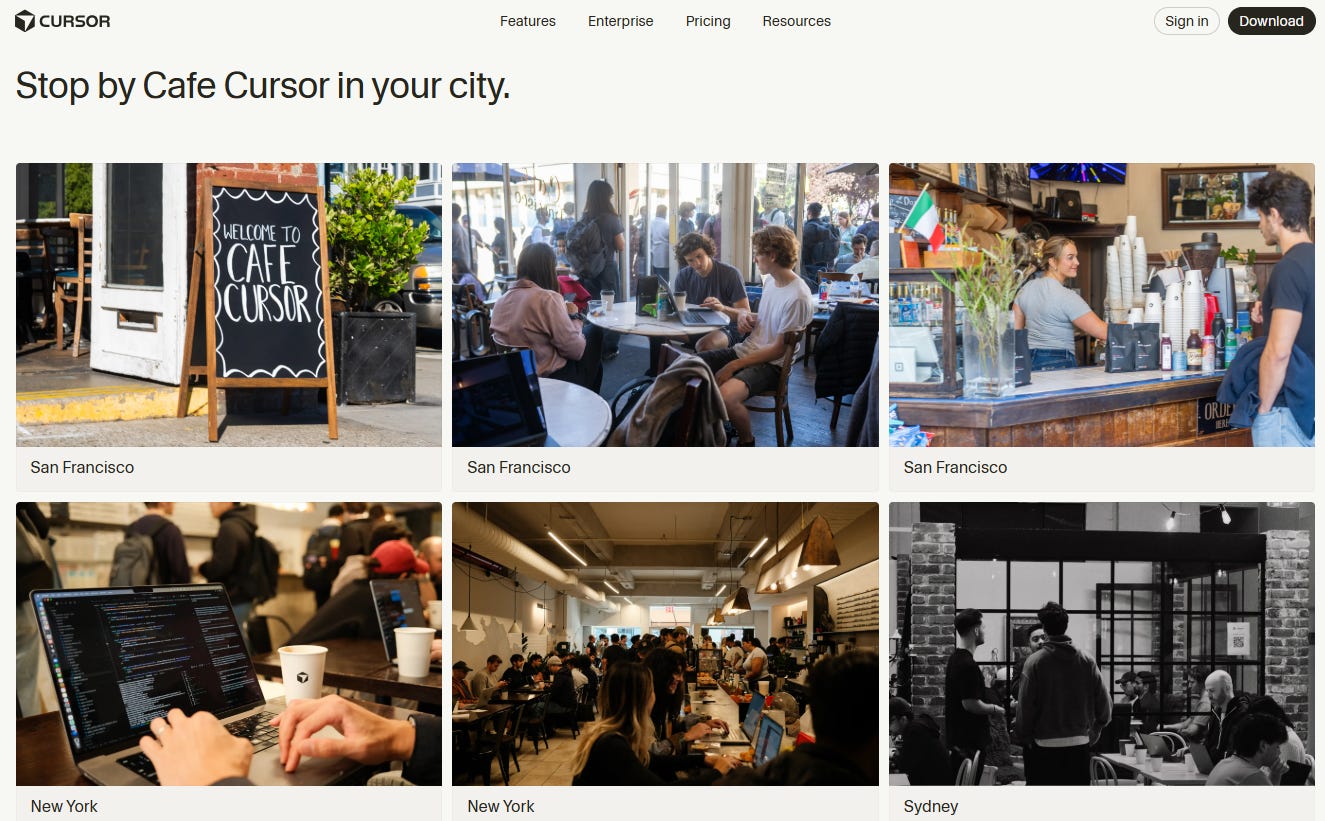
We can see on Cursor’s website that Cafe Cursor isn’t a one-off marketing initiative but rather a key piece of their community-driven marketing strategy.
Growth Tactic #2 - Unique data-backed content
If your SaaS product is collecting millions of unique data points, then you are well positioned to leverage this next growth tactic.
Gong is an intelligence platform for revenue and sales teams. It uses AI to analyze sales calls and source useful insights to help improve closure rates (among other important sales metrics).
Gong has analyzed millions of calls which has resulted in a goldmine of interesting insights.

Gong leans into this advantage through “Gong Labs”, a section on their public blog where these data-driven insights are shared.
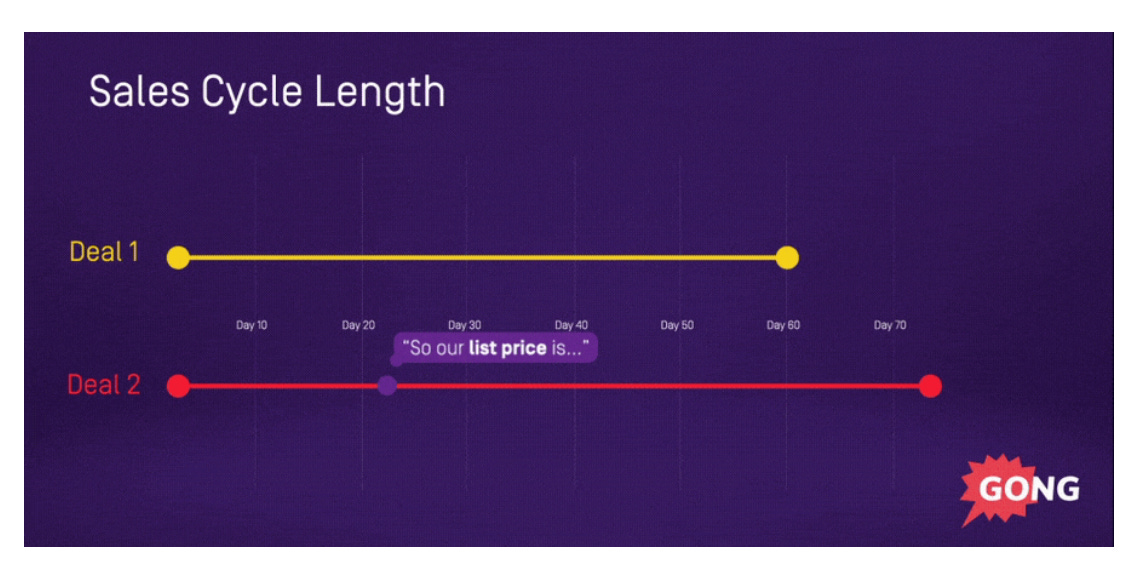
A great example of such a post is “How one simple word can derail your sales deal”.
Gong found out that by mentioning “list price”, “typical price”, or “standard price” on sales calls, the sales process was 19% longer.
Why does this tactic work?
By publishing unique content backed by data only they have, Gong is positioning itself as an authority in their space. This leads to trust, more word of mouth and greater overall attention.
Their content is highly actionable and valuable to their target audience which will result in shares, references by other publications, and in turn more eye-balls on Gong.
Growth Tactic #3 - Programmatic “connector” SEO
There are a number of popular automation tools like Zapier, Make and n8n that have smartly leveraged programmatic SEO to capture high-intent traffic.
If you run a Google search for “how to connect Hubspot to Trello” and scroll through the first page results you’ll notice something interesting.
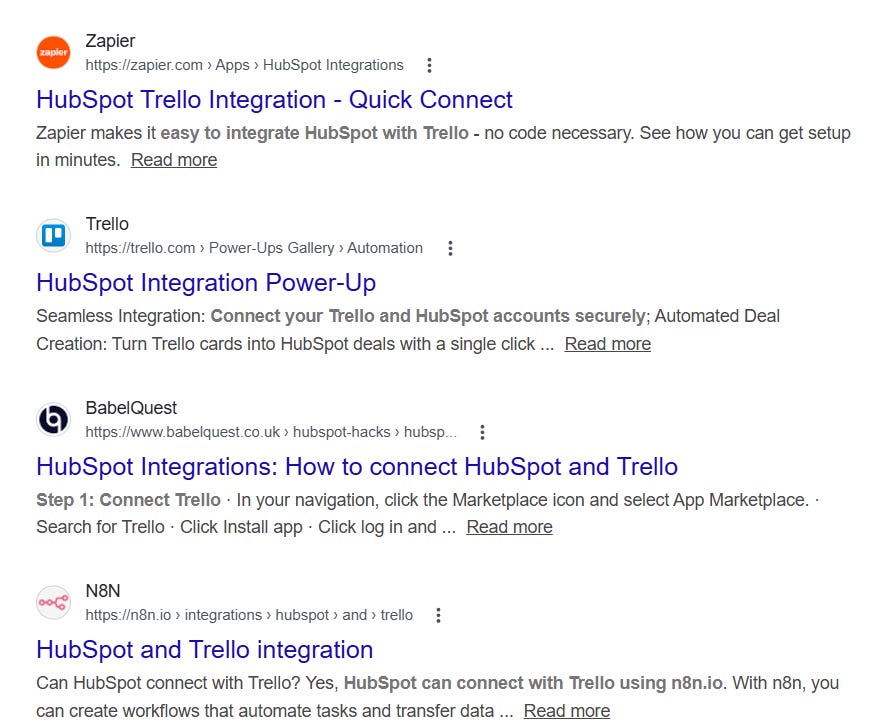
Somewhere in the top 10 you’re almost guaranteed to find a result by one or more of these automation businesses.
The app that dominates this tactic is Zapier.
Below are screenshots showing Zapier’s landing page that appears in the result page for the search phrase, “how to connect Hubspot to Trello”.
You’ll notice the SEO optimized h1 tag, “Connect Hubspot and Trello to power AI-driven automation”.

As you scroll down you’ll then notice a list of popular templates for how users have actually connected HubSpot to Trello using Zapier.
These templates not only provide value to the person viewing the page but will also help capture long-tail searches such as “create Trello cards for new Hubspot form submissions automatically”.

Zapier supports over 8,000 apps.
Assuming they create a page for every possible combination of these apps, the number of SEO optimized landing pages to cover the “connect A to B” usecase would be almost 32 million.
Why does this tactic work?
Google.com is still the number one place people go to find answers to their questions.
By capturing high-intent traffic, Zapier, n8n and other apps that leverage programmic SEO exposure their brands to new potential users with extremely high leverage. Once the pages are live and rank, the traffic comes in on auto-pilot.
By being able to show visitors actual templates of how past users have used their services to connect the searched apps, they are able to provide real value.
Growth Tactic #4 - Launch a startup program
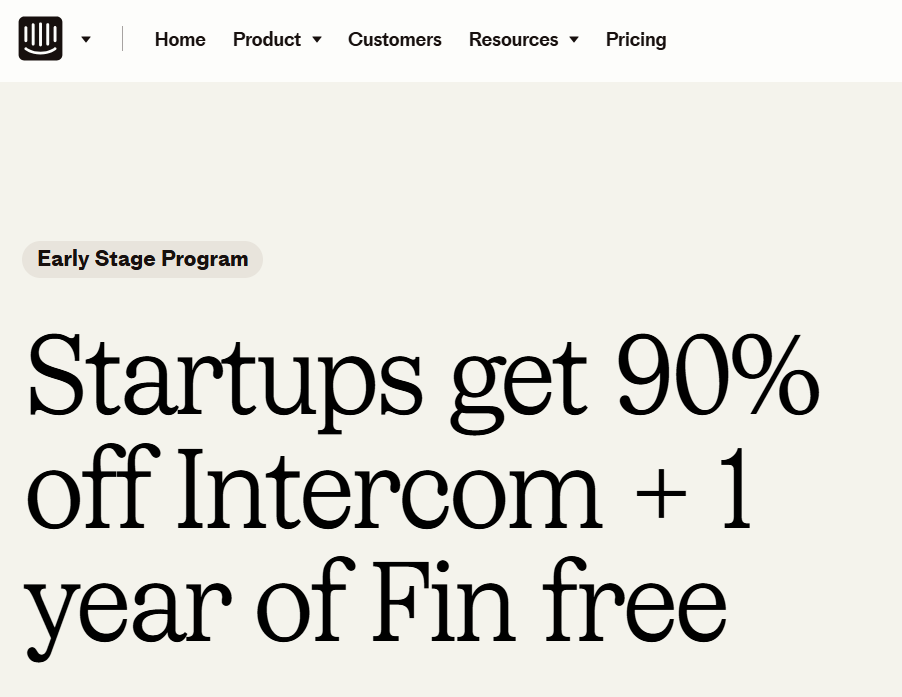
Intercom has an early stage program designed specifically for early-stage startups.
Startups which get accepted into the program get a 90% discount on Intercom for the first year plus other benefits.
The program includes 6 advanced licenses which is enough for a sizable support team for an early-stage SaaS business.
Intercom gives up very little by offering these major discounts. Even if a small percentage of startups that are accepted into the program scale beyond the program, Intercom wins.
Notion, HubSpot and Zendesk are other examples of companies that offer major discounts to early-stage startups.


Why does this tactic work?
The reason this tactic works is because everyone likes discounts, especially early-stage startups which are trying to limit their burn rate.
The program is a powerful asset for sales which can use it to help convert relevant leads which which might be on the fence.
Since software businesses like Intercom, Notion and HubSpot typically run at a high gross margin, offering significant discounts to increase sales is financially viable.
Growth Tactic #5 - Build an army of influencers by launching a marketplace
Notion, Shopify, Canva and Webflow are just some of the companies which have leveraged a marketplace to build an army of influencers marketing their companies around the clock.
Thousands of creators have built templates which are listed on Notion’s marketplace.
Many of these creators create social media posts, YouTube videos, newsletters and other forms of content to promote there templates to increase sales. All of this marketing effort helps raise awareness for Notion.


Webflow is another great example of a company that has leveraged a marketplace to provide more value to their community.

After signing up to Webflow you are encouraged to pick a template for your new website. Instead of building these templates themselves, Webflow encourages front-end developers to build templates and host them on the Webflow platform.
Templates can be either free or paid. Webflow only takes 5% in commission for sales of premium templates.
Why does this tactic work?
This tactic works incredibly well because it’s not only scalable and provides incredible value to the userbase, but it acts as a flywheel.
As more creators join and publish templates and other resources, the more people learn about the service, which drives more users and creators.
By allowing creators to earn money from sales, the marketplaces become very attractive as “side hustles”. Creators in turn become marketers that help drive eye-balls back to the service they are supporting.
Growth Tactic #6 - Product-Led SEO
Canva has implemented a very powerful SEO tactic which has helped me standout many other SaaS apps in the creative space.
Canva targets long-tail keyword phrases that relate to specific “jobs to be done” that are possible with the Canva product.
Below is a great example of this tactic in action.
Run a Google search for any specific design-related usecase and the likelihood of Canva appearing in the top ten results is very high.


Why does this tactic work?
By targeting hundreds, if not thousands, of high intent keywords through dedicated landing pages, Canva is able to capture large volumes of quality traffic which will result in more signups.
SEO is a winner-takes-all game so it will be difficult for other SaaS businesses to compete against Canva using this tactic, but I think the “jobs to be done” aspect is interesting and possibly replicable in certain cases.
Growth Tactic #7 - Launch a “university”
HubSpot, Tableau, Intercom, and Salesforce are just some of the well known SaaS companies that offer certifications through their own learning portals (mini-sites dedicated to education).
HubSpot implements this tactic better than most through their HubSpot Academy.

This learning portal is jam packed with content to help people become experts in their products and in the broader topic of digital marketing.
Through HubSpot Academy, interested individuals can try their hand at 12 different certifications. There are certifications in Inbound Marketing, Social Media Marketing and even certifications dedicated to the HubSpot software itself.
Why does this tactic work?
HubSpot has always positioned itself as an authority on inbound marketing (they popularized the concept) and their HubSpot Academy ties into that positioning perfectly. They want to help educate more people on digital marketing to help increase brand awareness and expand their total addressible market (TAM).
HubSpot Academy and similar education portals are a great way to increase word of mouth, especially when the majority of the content on offer is accessible for free.
Lastly, individuals that get certified are encouraged to share the news on social media and to show off their certification “badges” on LinkedIn. This taps into human psychology (our desire to stand out and show off our achievements) and helps increase brand awareness.
Growth Tactic #8 - Use extreme transparency to maximize word of mouth
Imagine you’re running a company and decide to make the salaries you pay your staff publicly available.
Most would call you crazy but this is just one of the many ways the founders of Buffer have decided to run their business.

I think it’s fair to call Buffer the world’s most transparent company.
Everything from their performance metrics, shareholder updates, formulas for calculating compensation, product roadmap, company goals and even the books the team are reading is made public.


Why does this tactic work?
Whenever a company takes an extreme position it creates buzz, a ton of word of mouth, and loads of discussions.
Buffer is an extreme case of “build in public” and have decided that the pros of being ultra transparent outway the cons.
Joel Gascoigne, the founder of Buffer frequently shares the company’s numbers on social media which leads to a lot of shares, discussions and more exposure for Buffer.

Growth Tactic #9 - Launch a “sidecar” product
A “sidecar” product is a standalone product built to provide value to the same avatar as the primary product.
This tactic is used to solve a simple need of the avatar and in doing so, indirectly promote the primary product.
PandaDoc, HubSpot and Shopify are SaaS businesses which use this tactic very affectively.
CreateMySignature is an example of a “sidecar” product. On the surface it looks like it’s own thing but it’s actually owned by PandaDoc who smartly integrated this simple product into PandaDoc’s primary signup funnel.
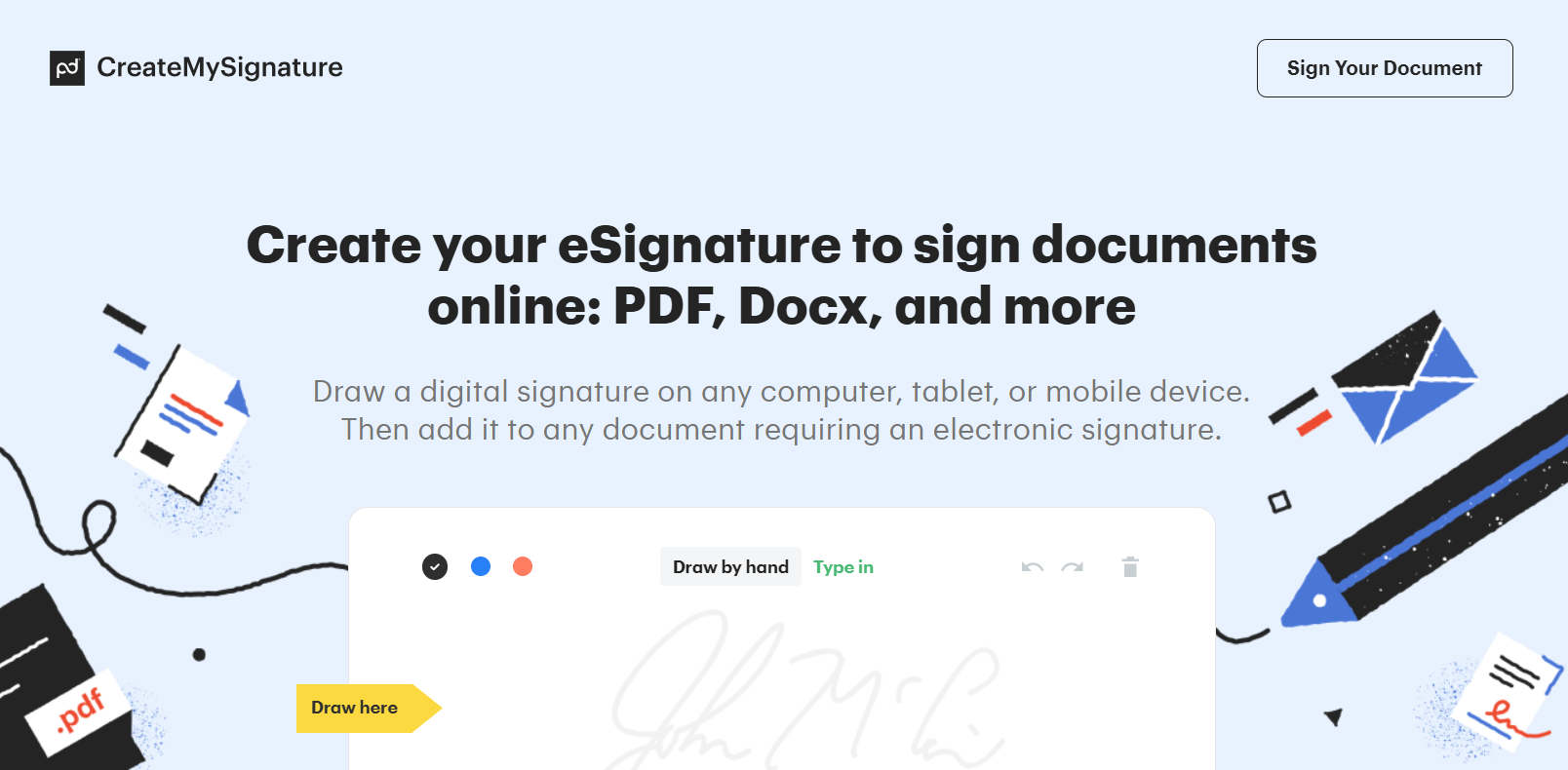
By using CreateMySignature to solve a simple problem (creating an eSignature), visitors are introduced to PandaDoc and may decide to signup to use their service. Throughout CreateMySignature there are calls-to-action to learn more about PandaDoc.
This is a high leverage play since once CreateMySignature was built, the amount of work needed to maintain it is low, while it continues to get high-intent visitors every day looking to get an eSignature.
Another classic “sidecar” product is HubSpot’s Website Grader.

Everyone who runs a website would love to have their website graded. HubSpot has built a free product which does just that.
Notice in the screenshot above how HubSpot requests an email address to use the grader. This makes the Website Grader a powerful lead generation tool for HubSpot.
Need help naming your new company? Shopify has you covered with their AI business name generator.

Why does this tactic work?
This tactic works because a company can build multiple “sidebar” products and it’s high leverage. Once the product is live and ranking on Google, it will get eye-balls and drive exposure for the parent company.
“Sidebar” products can also help drive traffic to businesses which are in a new category with limited direct search traffic. They can do a great job of educating people who are not yet aware of the solution offered by the parent company.
Growth Tactic #10 - Start as open-source, then build a hosted solution
This tactic is definitely the most controversial in this post because its risky and carries complications.
n8n and Airbyte are examples of companies which started as open-source but later built hosted versions of their software as a way to monetize.
Airbyte started out as an open-source solution and today has over 20,000 stars on Github.
In April 2022 Airbyte launched Airbyte Cloud, a hosted solution of their solution.

Businesses that have no interest in self hosting Airbyte can now sign up to Airbyte cloud and use the service without having to deal with any of the underlying infrastructure and maintenance. Businesses that use Airbyte Cloud pay the company based on usage.
n8n launched the hosted version of their service in 2021, almost 2 years after the self-hosted version was available.

Now for as little as 24 euros a month businesses can leverage the powerful of n8n without having to spin up a server and deal with any infrastructure.
Why does this tactic work?
This tactic works because by starting as an open-source solution, you can take your time to reach a high level of product-market fit before starting to monetize.
You also have the advantage of leveraging a community of smart engineers that believe in the project and can help contribute towards building a better product.
By being open-source, your service is free to use by the world’s developers which make it easier to get initial exposure, feedback and some traction.
The reason this tactic is controversial is because there are risks involved with being open-source, the most obvious being that your code is publicly available and can be forked. Most tech businesses don’t want to start as open-source and prefer to build the product themselves.
That’s it for part 1. To get part 2 directly to your inbox next week, make sure to subscribe by entering your best email below.
Thanks for reading and have a great week.
Justin