

When I started my career in tech I remember reading about Dropbox’s viral referral program.
This legendary growth tactic is one of the best examples of how product-led helped a B2B SaaS business reach “unicorn” status.
In this two part series I’m going to be covering the topic of product-led growth (PLG) in all its glory.
In part one I’m going to introduce the concept of PLG and share 8 examples of companies that have grown to a billion dollar valuation using PLG tactics.
I’m going to share the main tactics each of these businesses deployed and why they were so affective.
In part two (coming next week), I’ll go into detail on core PLG concepts and the growth metrics PLG companies need to care about.
If you’re new to SaaS Decoded, welcome, I’m Justin. Each week I publish an in-depth, actionable guide to help SaaS operators grow their businesses. If you enjoy this content, consider subscribing below.
What is product-led growth (PLG)?
The term Product-Led Growth (PLG) was coined in 2016 by Blake Bartlett, a partner at the venture capital firm OpenView Venture Partners.
Product-led growth is a strategy where the product itself acts as the primary driver of user acquisition. This is done typically through word of mouth, viral loops or a combination of both.
Software businesses were using product-led growth strategies much earlier than 2016, but until PLG was coined we didn’t have a term for the overarching strategy of using the product to drive the majority of user growth.

8 B2B SaaS “unicorns” that adopted a PLG strategy
Here are 8 standout examples of B2B SaaS businesses that scaled to over $1 billion dollar evaluation using a product-led growth strategy.
1. Slack
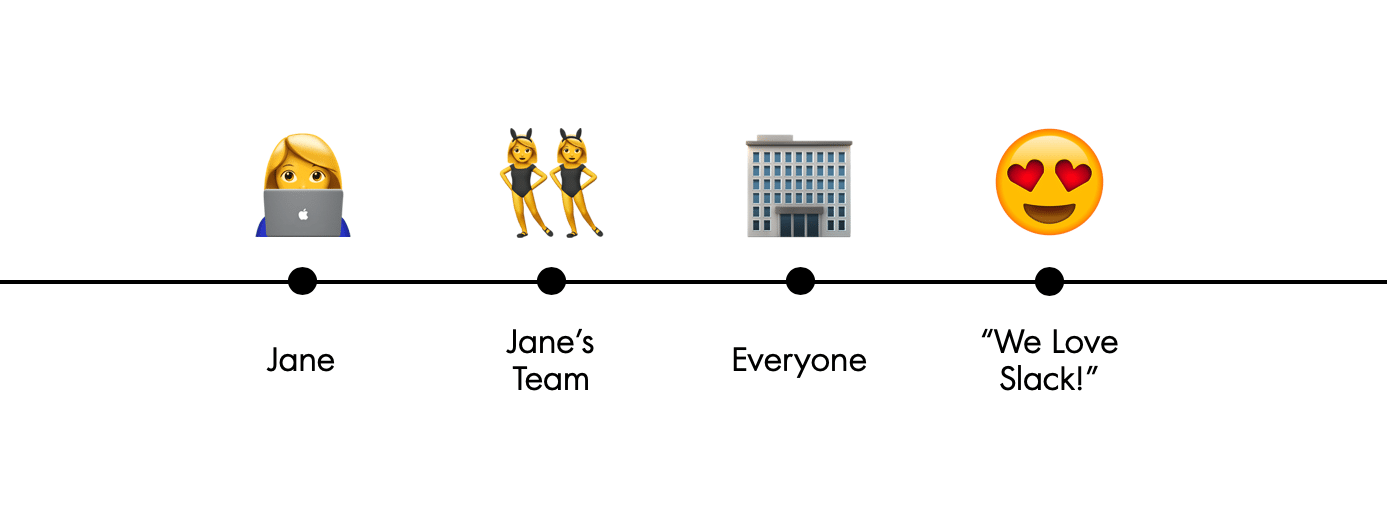
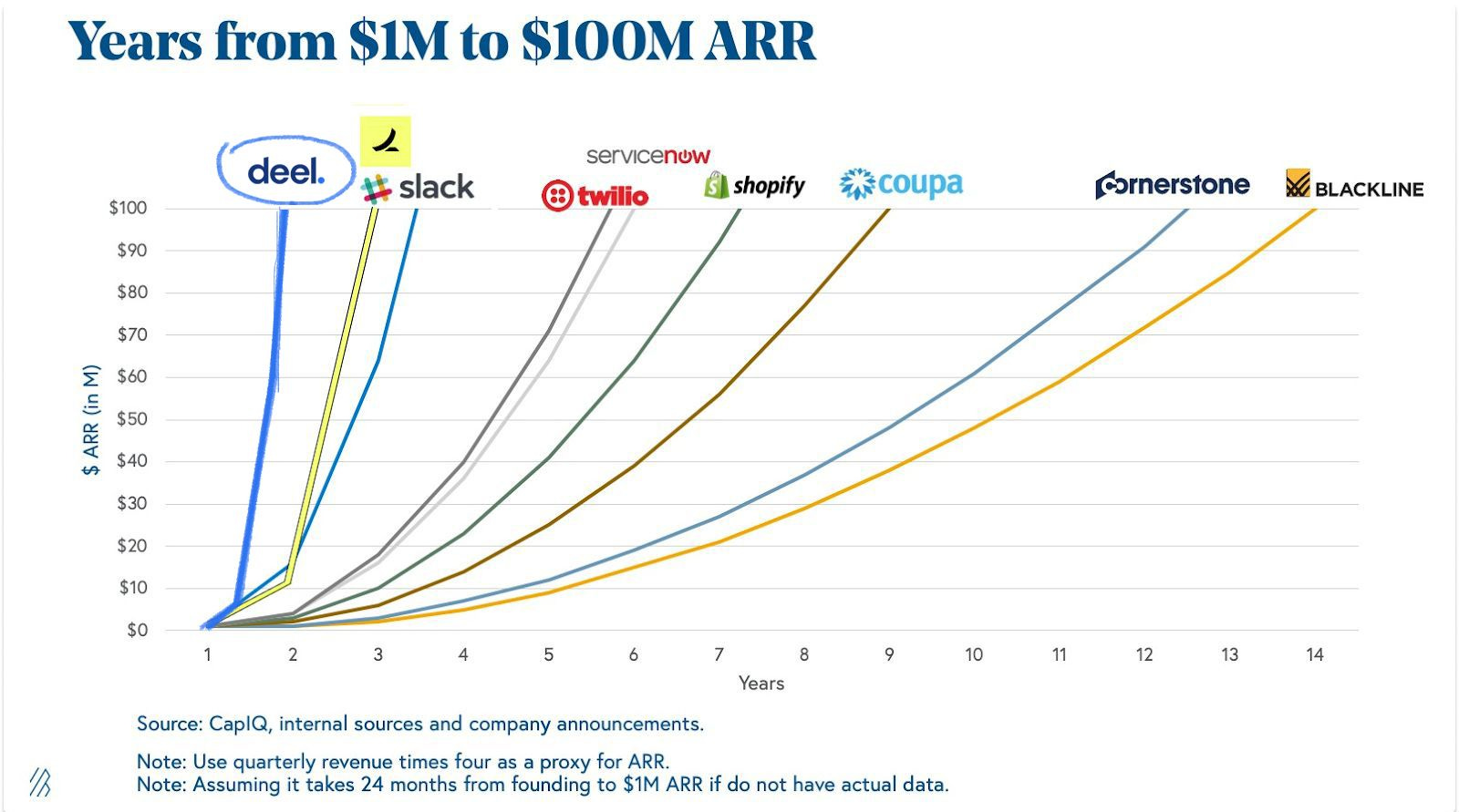
Slack is the “poster child” for PLG. It famously grew to a $1.1B valuation in just over a year without a traditional sales team or marketing budget in its early days.
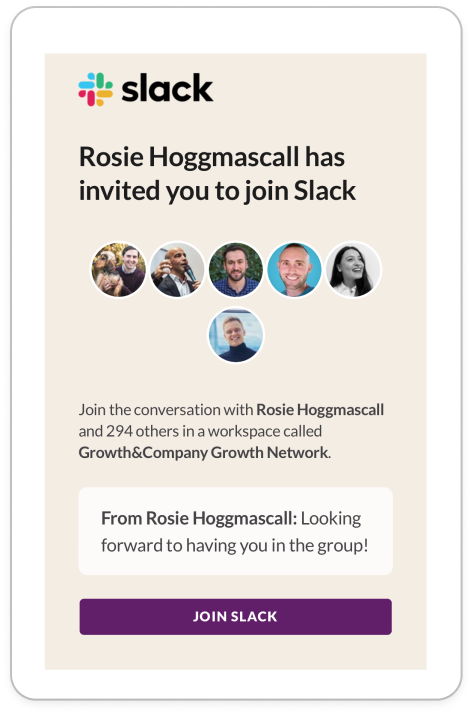
Slack grew by users inviting teammates to collaborate within their workspace. This created a viral internal loop.
Slack’s freemium model allowed businesses to get a taste of the platform at no cost. Once businesses hit their 10,000 message limit they were hooked and converting to a paid subscription became a “no-brainer”.
The combination of a freemium model, network affects, and the internal viral loop turned Slack into one of the fastest growing software businesses in history.
Another powerful PLG tactic Slack used was the launch of Slack Connect, Slack’s cross-workspace collaborative feature.
Slack Connect allows businesses to connect with each other directly in Slack.
This allows B2B service providers, like agencies and freelancers, communicate with their clients directly within Slack. This reduces email load and helps keep communication all in one place.
Slack Connect helps promote word of mouth because it fundamentally changes how businesses that know each other communicate with each other.
2. Zoom
Zoom disrupted a market filled with legacy giants (Webex, Skype) by focusing on a frictionless user experience and a “1-to-many” viral loop.
Every time a host sent a meeting link to a non-user, they effectively “demoed” the product.

When your product, by it’s very nature, is organically shared with other potential users, you have the opportunity for viral growth.
Zoom experienced hyper growth during Covid because so many businesses were forced to move to virtual meetings.
3. Calendly
Calendly reached the $100M ARR mark with fewer than 250 employees, a testament to the efficiency of its viral “scheduling loop.”
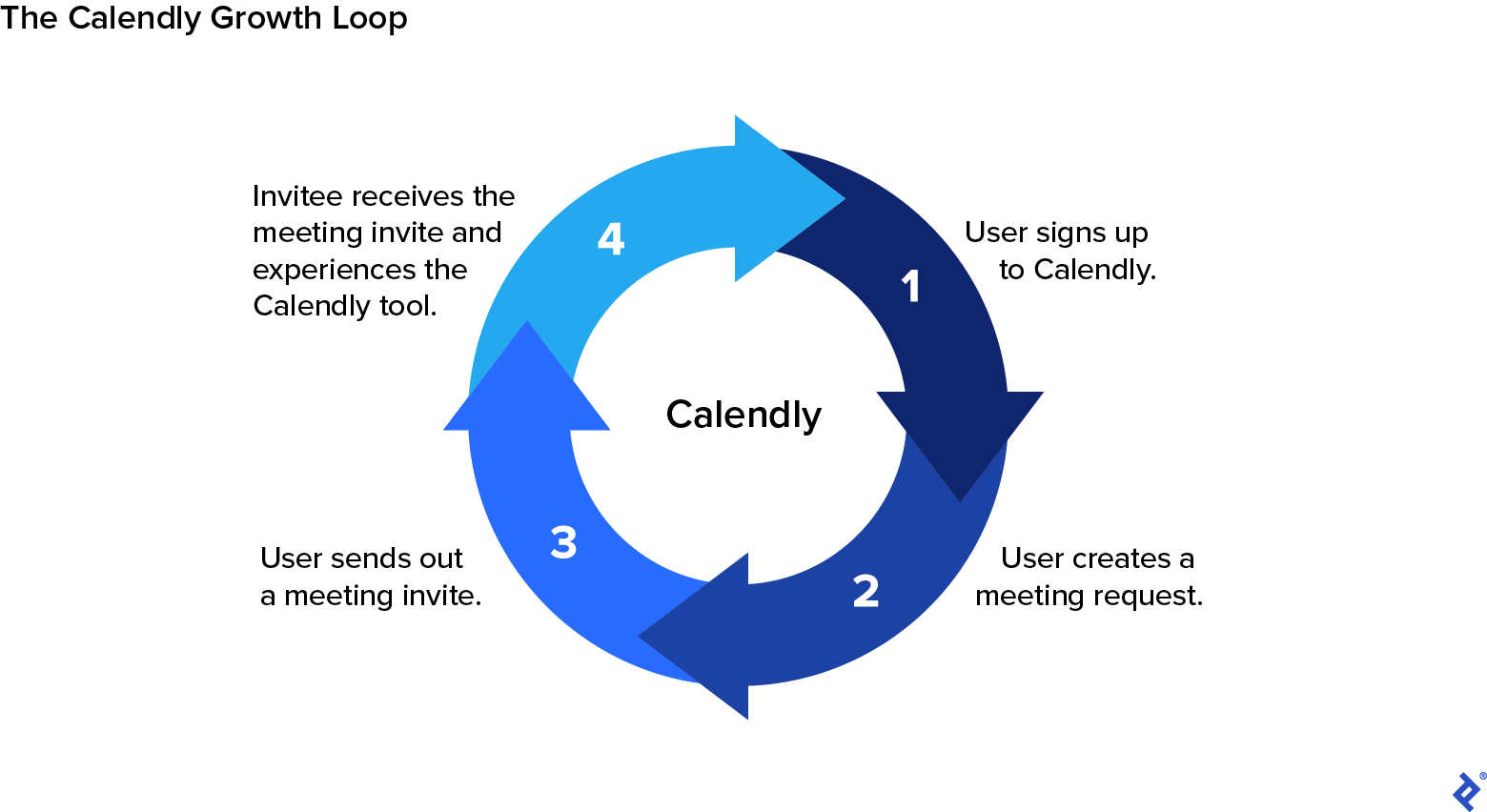
Similarly to Zoom, when users share a Calendly booking link they introduce the service to potential users. Recipients of the Calendly link are introduced to the seamless experience and see the value the service provides.
4. Notion
Notion used a community-led and product-led hybrid strategy to grow the business into over a $10 billion valuation.
Notion allows users to create wikis, roadmaps and other templates which can be shared publicly. This allows users to expose the Notion brand and the modular nature of its product to potential users.

This has been such a successful growth strategy that for many years Notion has supported an entire marketplace of templates where creators earn revenue per sale.
Notion is built with both individuals and teams in mind allowing it to support a wide range of avatars, and online businesses of all sizes.
5. Dropbox
Dropbox pioneered the “referral loop” in the early days of SaaS, rewarding users with extra storage for inviting friends.
The genius behind Dropbox’s referrel loop was that both parties benefitted from it (both the referrer and recipient received extra storage).
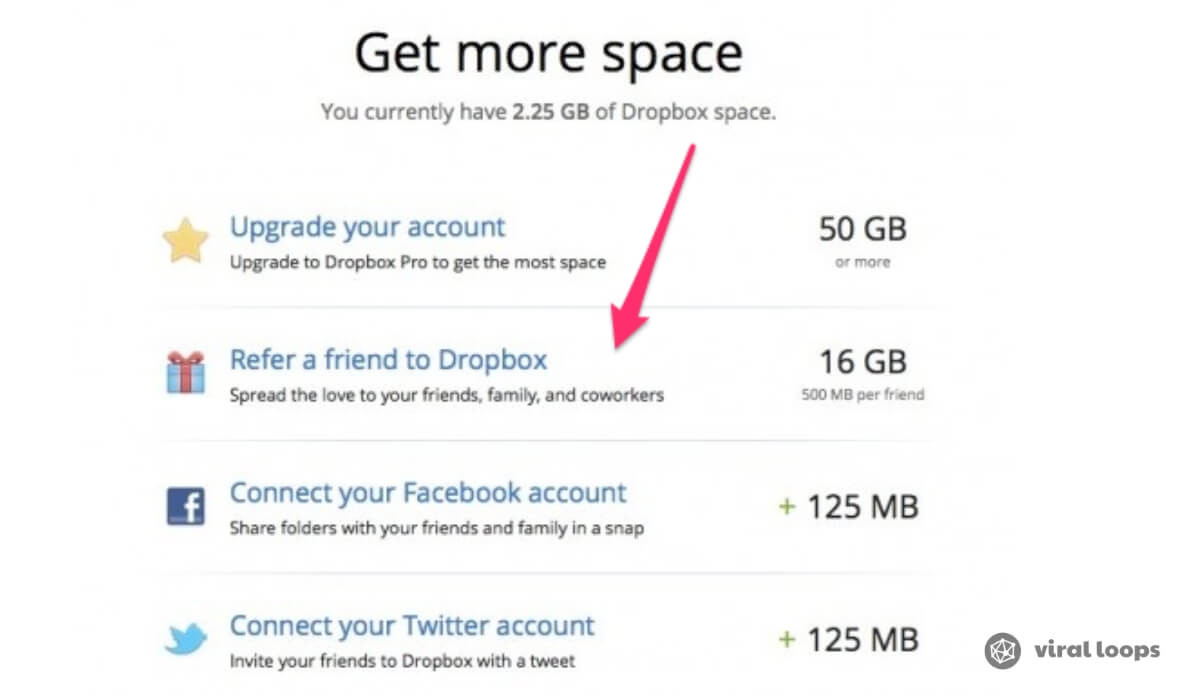
In addition to the referral program, Dropbox used a second PLG tactic, the collaborative loop, to drive more growth.
Users of Dropbox can share folders to others, forcing them to sign up to the service to access the contents of the shared folders.
6. Figma
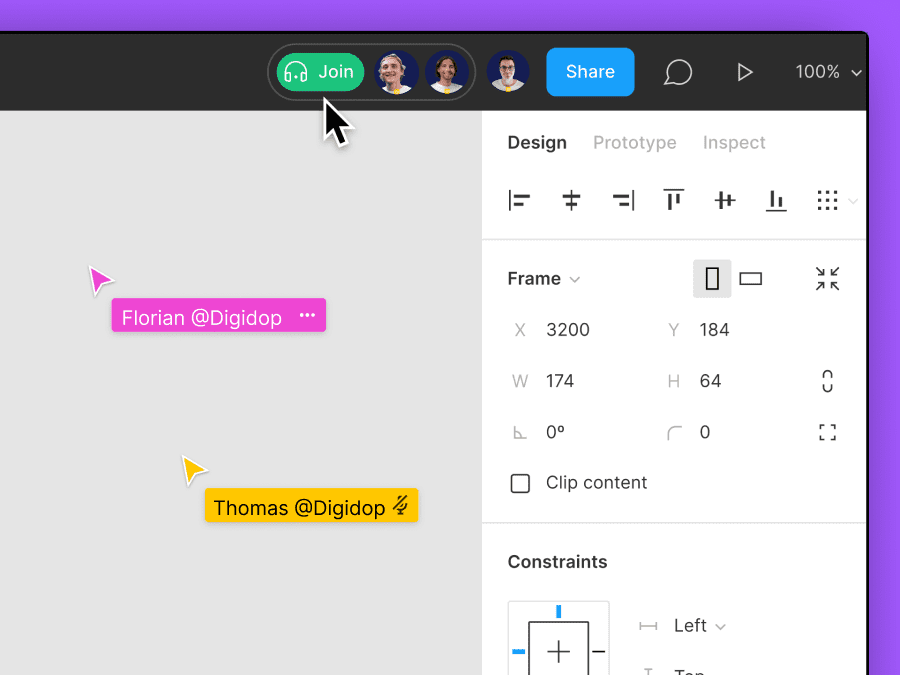
Figma took over the design world by being browser-based and inherently collaborative.
Before Figma, design tools were used exclusively by designers.
Figma changed the game by allowing everyone involved in the design process, from product developers and marketers to engineers, to collaborate in one place.
Each designer that signed up to Figma effectively became a promoter of Figma purely by the nature of how the product was used.
Since Figma has seat-based pricing, the more people that sign up to collaborate in Figma, the more the company makes.
For more on Figma’s PLG strategy, check out this insightful post by Aakash Gupta, The Figma Product Growth Strategy.
7. Zapier
Zapier, and similar companies like n8n, use an SEO-based “integration loop” growth strategy that ties back to the product.
It starts with potential users searching for “how to connect app X to app Y” and then finding a dedicated landing page that covers that specific combination.
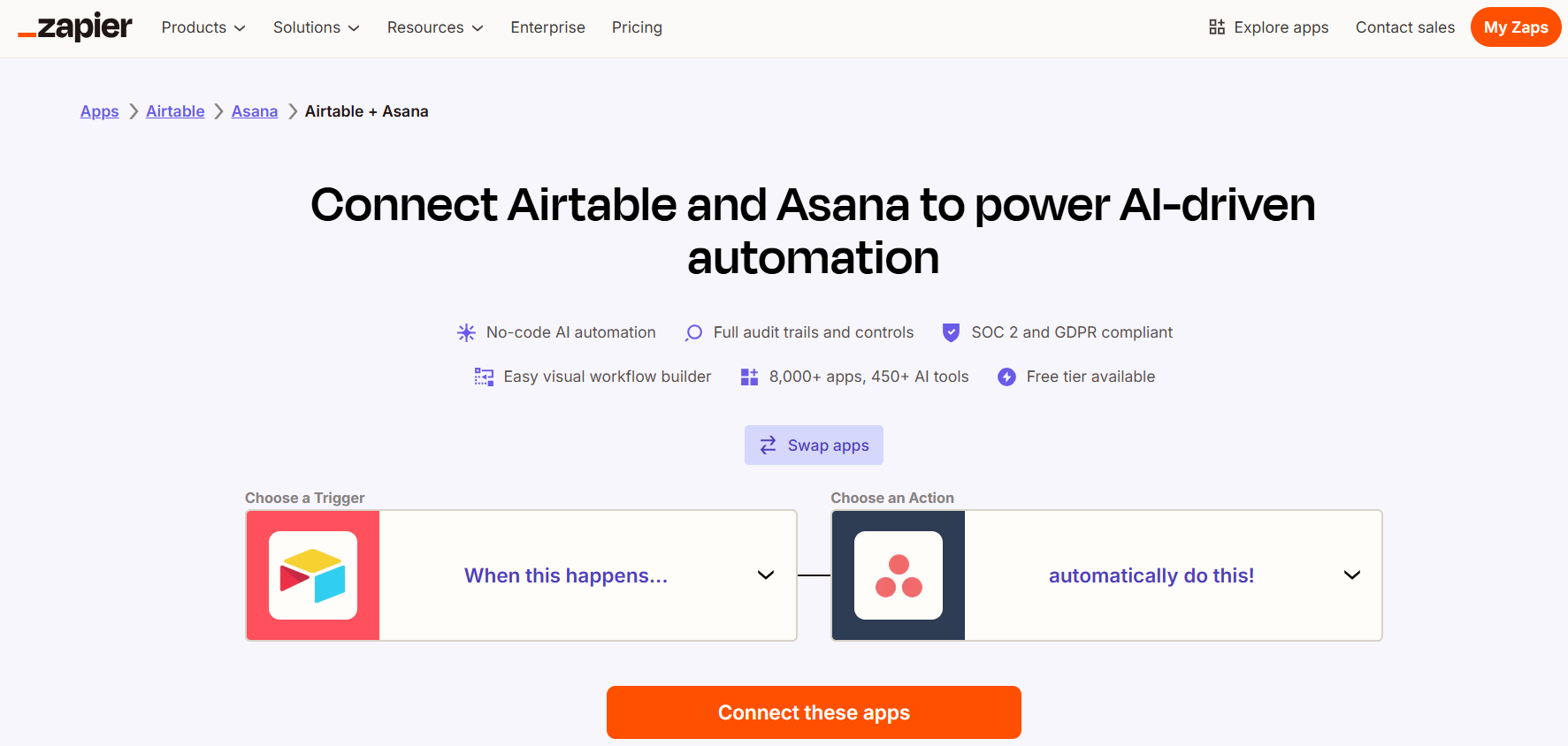
Users then sign up to Zapier to set up automations. As the userbase grows so does the demand for more integrations.
As the number of integrations grows, so does the number of potential combinations that are covered through search engine searches.
8. Cursor
Cursor is one of the darlings of the agentic AI wave and has quickly become one of the most popular software products among developers in the world.
Cursor is a revolutionary product which is changing how developers are building software.
Cursor is also one of the main contributors to “vibe-coding” which is reshaping the entire SaaS market.
Cursor has deployed some smart community-led growth tactics but most of its growth has been through word of mouth.
![20 growth tactics used by Cursor, Gong, Intercom, Clay, n8n and other fast growing B2B SaaS companies [PART 1]](https://substackcdn.com/image/fetch/$s_!yGwa!,w_140,h_140,c_fill,f_webp,q_auto:good,fl_progressive:steep,g_auto/https%3A%2F%2Fsubstack-post-media.s3.amazonaws.com%2Fpublic%2Fimages%2F858607a6-a5a4-42b6-898c-3df1f5d37711_1325x821.png)
Every now and then a product comes around that is such a game changer that people can’t help but talk about it. Social media is flooded with references to Cursor.

In cases where the product is so “mind blowing”, a company doesn’t need to invest in traditional marketing channels since word of mouth is viral in nature and enough to result in exponential growth.
How PLG companies grow
Let’s summarize what we know about the 8 PLG companies we covered above.
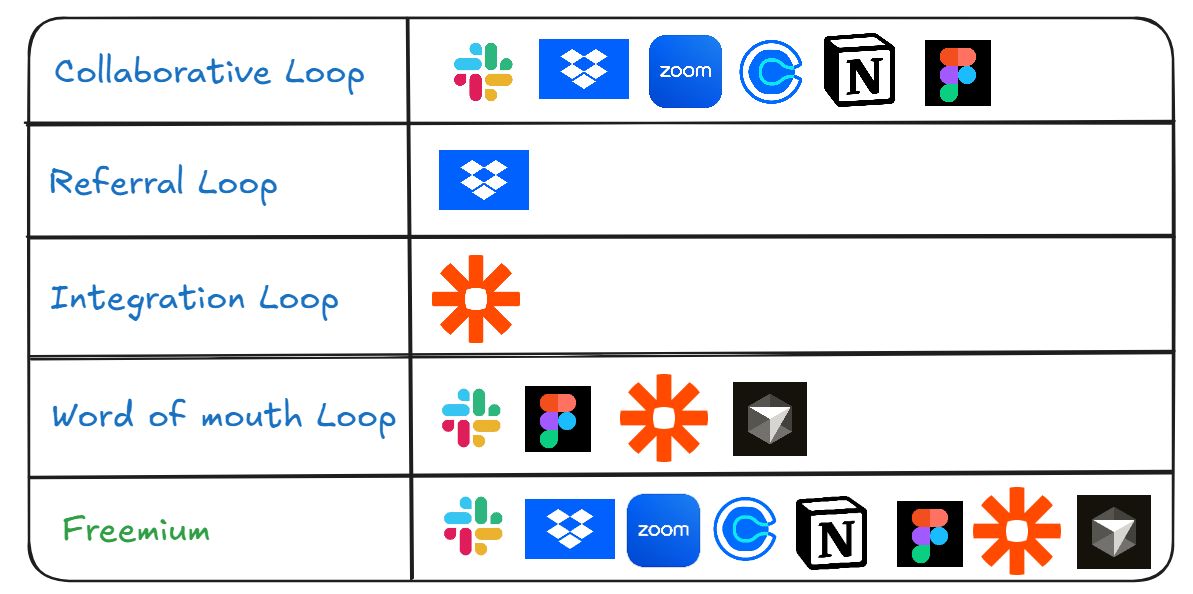
The most common PLG tactic used is a collaborative loop, where the product is introduced to team members, clients, or the general public through sharing or invitations.
In some cases, like Slack and Notion, there are network affects (each individual that is invited to the workspace benefits the rest of the users in the workspace).
Referral and integration loops are much rarer since they are hard to implement or very niche.
Many of the companies in the list have referral programs but they are structured, partner-based and not self-service. I don’t categorize these as PLG-based.
Word of mouth is the gold standard and the hardest to pull off. It requires a truly outstanding, revolutionary product.
A common tactic among PLG companies is to have freemium pricing (users can signup and use the service for free). Notice that every company in our list allows users to sign up and use the service for free.
The more loops a PLG company has, the higher the possibility of extreme exponential growth.
Combining freemium, multiple PLG loops, and a revolutionary product is the recipe for record-breaking growth.
For more examples of PLG companies, check out the product led growth market map by OpenView Venture Partners below.

That’s it for part one, make sure you subscribe to receive part two in your inbox next week.
Until next week.
Justin